 Whether printed books are dead in an age dominated by smartphones, tablets, and e-readers seems increasingly relevant. The rapid rise of digital media has transformed how we consume information, making it easy to assume that traditional books may soon become relics of the past. However, printed books are far from extinct. They continue to thrive in unexpected ways, holding their ground against the digital tide.
The Rise of Digital Alternatives
E-books and audiobooks have undeniably revolutionized reading. Platforms like Kindle, Audible, and Apple Books offer a convenient way to access thousands of titles instantly. These formats cater to modern lifestyles, allowing people to read or listen while commuting, exercising, or multitasking. Additionally, e-readers have features like adjustable font sizes and built-in dictionaries, making them accessible and user-friendly for many readers.
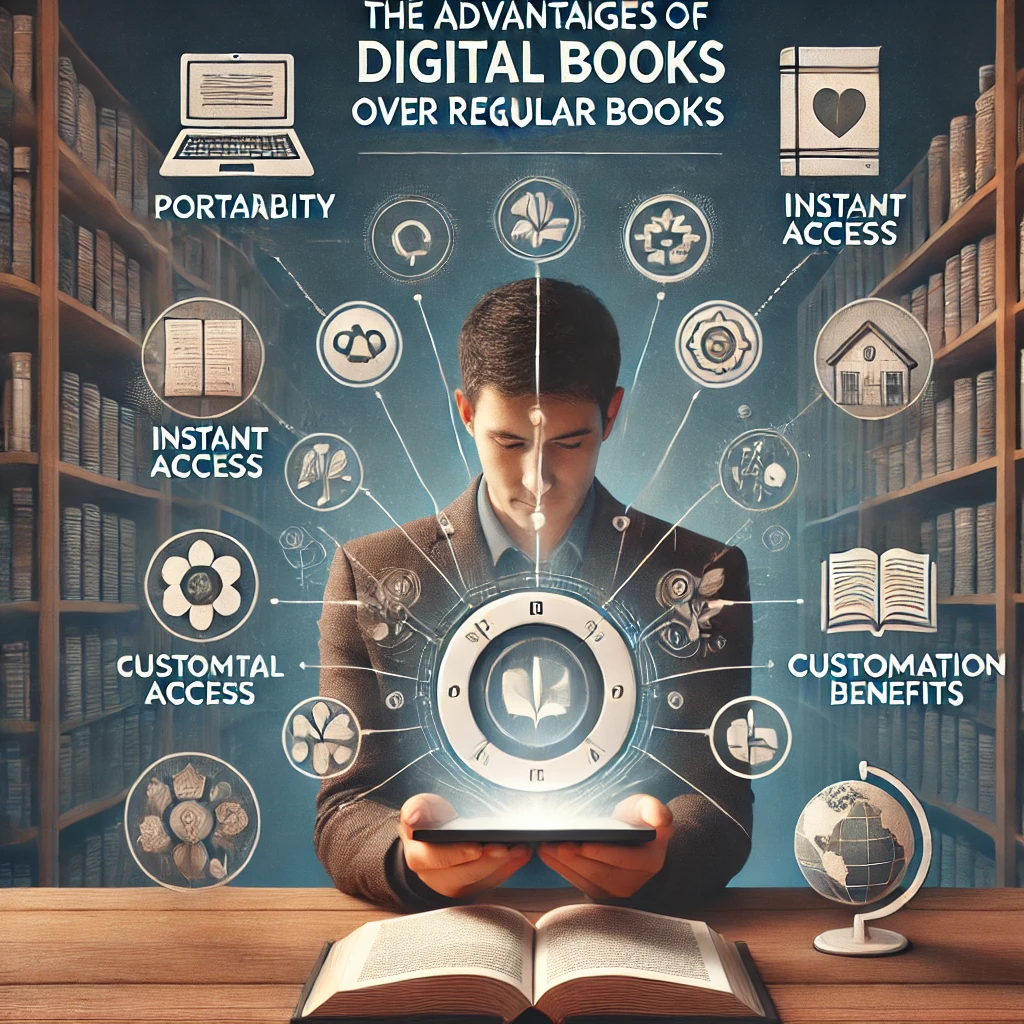
Digital books offer affordability and portability for students, professionals, and voracious readers. A single e-reader can hold a library’s worth of books, eliminating the need for bulky shelves or heavy bags. With these benefits, it’s no surprise that digital books have carved out a significant space in the market.
Why Printed Books Persist
Despite the advantages of digital formats, printed books have shown remarkable resilience. In 2022, global sales of print books exceeded expectations, underscoring their enduring appeal. But why do printed books remain relevant in an increasingly digital world?
Firstly, there’s the tactile experience. Many readers cherish the physical act of holding a book, turning its pages, and even enjoying its distinctive smell. This sensory engagement enhances the reading experience in a way that digital screens cannot replicate.
Secondly, printed books offer a break from screens. Books provide a refreshing alternative in a world where screen fatigue is becoming a genuine concern. They encourage focused reading without the distractions of notifications, ads, or blue light, which can strain the eyes.
Moreover, books hold sentimental and aesthetic value. Whether it’s the thrill of discovering a rare first edition or the joy of gifting a beautifully illustrated children’s book, printed editions evoke emotions that e-books often cannot. Libraries, bookshops, and personal collections continue to serve as spaces of inspiration and learning, reinforcing the cultural significance of physical books.
A Future of Coexistence
Rather than viewing digital and print as adversaries, seeing them as complementary formats is more accurate. Different mediums serve different purposes. E-books are ideal for convenience and cost-efficiency, while printed books cater to those seeking a richer, more immersive experience.
Publishers and authors have also embraced this duality, creating special editions, enhanced visuals, and interactive content for print while leveraging digital platforms for accessibility. This strategy caters to a diverse audience, ensuring that both formats thrive.
Conclusion
So, are printed books dead? Far from it. While digital books have revolutionized the industry, printed books captivate readers with their tangible charm and cultural importance. In a world where both formats cater to unique needs, it’s clear that printed books are not just surviving—they are thriving alongside their digital counterparts. The future of reading is not about choosing one over the other but embracing the best of both worlds.