
-
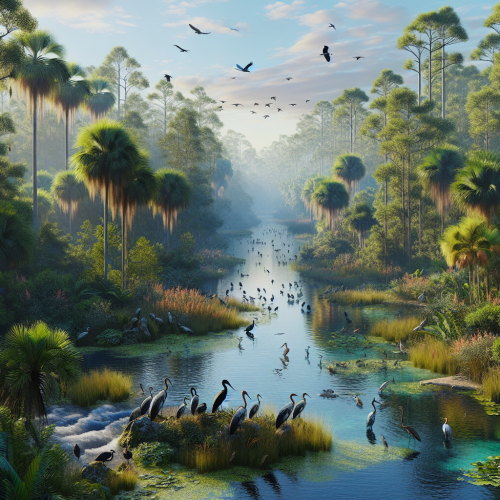 Explore the Anhinga Trail in the Royal Palm area of Florida's Everglades National Park, a favorite for wildlife enthusiasts. This easily accessible, 0.8-mile loop features a paved path and boardwalk over a sawgrass marsh, welcoming all ages and abilities to experience the Everglades' rich wildlife and stunning scenery. Meanwhile, Merritt Island National Wildlife Refuge captivates birdwatchers with over 300 bird species, including rare and migratory birds. Wildlife photographers revel in capturing its breathtaking landscapes and diverse fauna, from manatees to roseate spoonbills.
 -
 Nestled in northeastern Alaska, the Arctic National Wildlife Refuge is an untouched gem among America's natural wonders. Covering over 19 million acres, it offers a breathtaking tapestry of rugged wilderness—coastal plains, expansive tundra, dense boreal forests, and majestic mountains. Established in 1960, this refuge is a sanctuary for diverse habitats and invites adventure-seekers, wildlife enthusiasts, scientists, and conservationists. Discover a place where nature remains unspoiled, resonating with those who are captivated by the call of pristine and wild landscapes.
 -
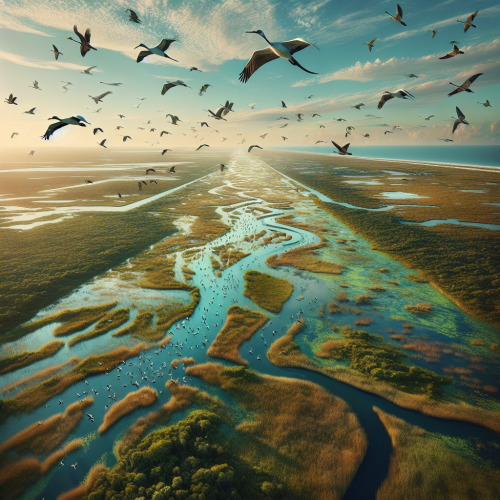 Bon Secour National Wildlife Refuge on the Alabama Gulf Coast encompasses over 7,000 acres of rich landscapes—from serene beaches and rolling dunes to vibrant salt marshes and lush maritime forests. Created in 1980, this sanctuary plays a vital role in preserving the delicate balance of nature, offering a haven for migratory birds, endangered species, and the array of native Gulf Coast wildlife. It's a prime destination for birdwatchers, hiking enthusiasts, nature lovers, passionate photographers, families, and anyone dedicated to conservation and the beauty of the great outdoors.
 -
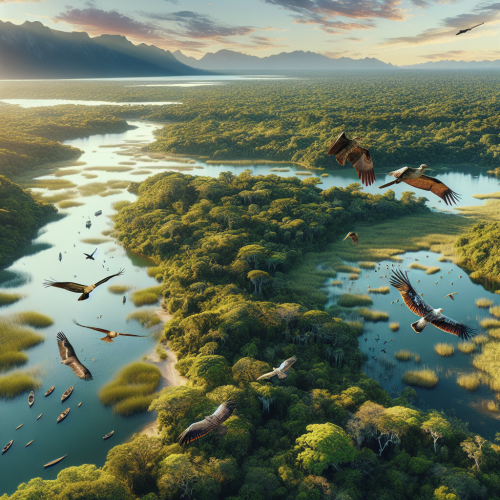 In southern Arizona near the U.S.-Mexico border, Buenos Aires National Wildlife Refuge stretches across 117,000 acres of rich desert grasslands and vibrant riparian zones. Founded in 1985, the refuge serves as a sanctuary for the endangered masked bobwhite quail, a rare avian species native to the region. A haven for birdwatchers, it invites wildlife enthusiasts, hikers, photographers, and conservationists to explore its unique desert ecosystems, offering unparalleled opportunities to engage with nature’s splendor and support the preservation of its precious biodiversity.
 -
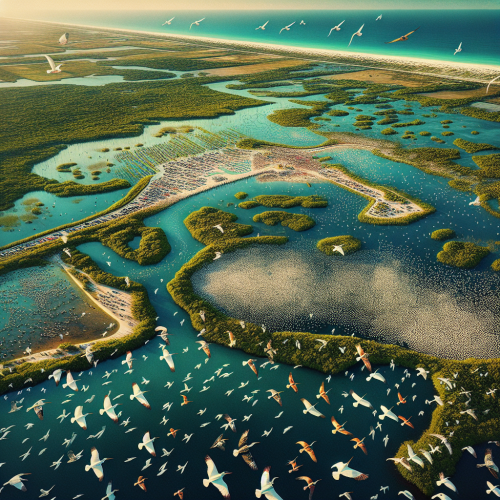 Nestled on Sanibel Island, Florida, the J.N. "Ding" Darling National Wildlife Refuge protects over 6,400 acres of lush subtropical habitat. Named after Jay Norwood "Ding" Darling, a devoted conservationist and cartoonist, this refuge is a crown jewel of the largest mangrove ecosystem in the U.S. It's a wildlife sanctuary, home to over 270 bird species and endangered creatures like the West Indian manatee and the Atlantic loggerhead sea turtle. Perfect for nature lovers, it's a haven for birdwatching, photography, and peaceful exploration.
 -
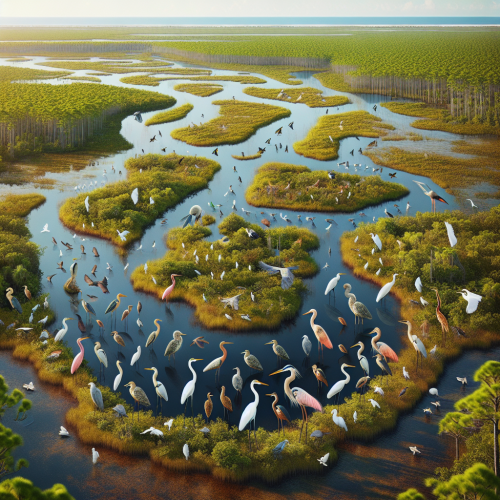 Spanning 1.5 million acres, Everglades National Park in southern Florida is a sanctuary for the United States' largest subtropical wilderness—a slow-moving "river of grass." As a UNESCO World Heritage Site, it boasts diverse ecosystems like sawgrass marshes, mangrove forests, coastal lowlands, and cypress swamps. The park shelters endangered species such as the Florida panther, American crocodile, and West Indian manatee, alongside hundreds of bird species like herons and roseate spoonbills. Ideal for nature lovers and families, it promises an immersive, unforgettable adventure.
 -
 Perched on Kauai's northern coast in Hawaii, Kilauea Point National Wildlife Refuge is a breathtaking sanctuary for endangered seabirds, native plants, and marine species. Since its establishment in 1985, this 203-acre paradise has dazzled visitors with its dramatic ocean cliffs, verdant landscapes, and an iconic lighthouse presenting sweeping views of the Pacific. It's an ideal destination for birdwatchers, nature lovers, photographers, families, and anyone passionate about Hawaiian wildlife and conservation. It offers a unique glimpse into the rich tapestry of natural beauty and ecological importance.
 -
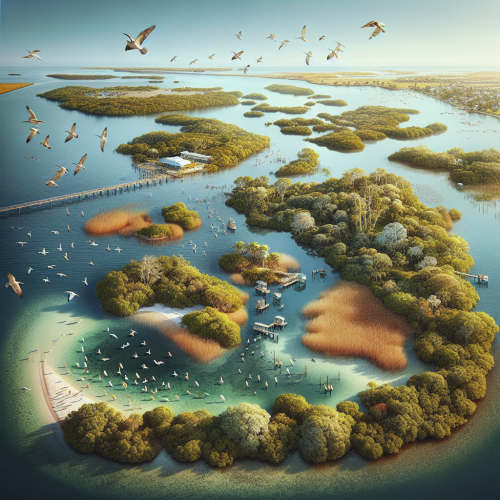 Nestled in Florida, Merritt Island National Wildlife Refuge spans over 140,000 acres of diverse habitats like coastal dunes and saltwater marshes. Founded in 1963 alongside the Kennedy Space Center, it supports over 1,500 species, including the endangered West Indian manatee and loggerhead sea turtle. Ideal for birdwatchers, photographers, and outdoor enthusiasts, the refuge invites visitors to discover over 300 bird species, especially during migrations, along with manatees and alligators. Unleash your passion for conservation in this stunning sanctuary.
 -
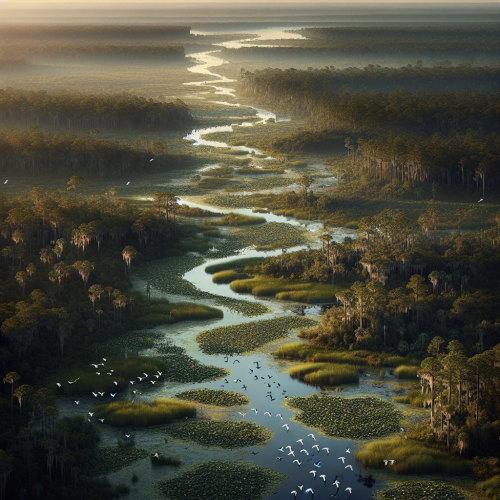 The Okefenokee National Wildlife Refuge, sprawling over 400,000 acres in southeastern Georgia and northern Florida, is a sanctuary for nature lovers. Established in 1937, it safeguards the ancient, vast Okefenokee Swamp, home to an array of wildlife like alligators, black bears, and over 200 bird species. This refuge invites adventurers, paddlers, and family explorers to immerse themselves in its rich ecosystem. At the same time, birdwatchers are captivated by sightings of sandhill cranes, red-shouldered hawks, and vibrant migratory waterfowl.
 -
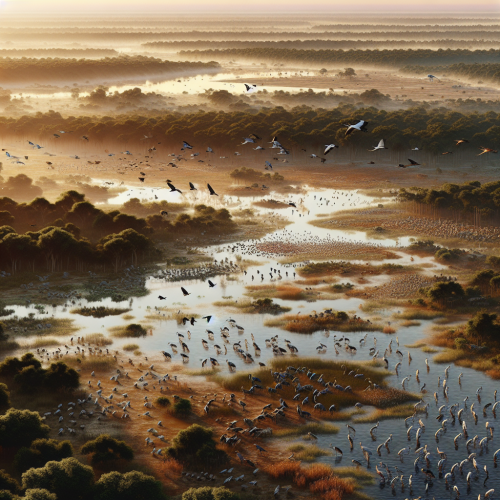 The Wheeler National Wildlife Refuge spans over 35,000 acres along the Tennessee River in northern Alabama, offering a sanctuary to a rich diversity of wildlife. Established in 1938, this refuge is a haven for migratory birds, hosting impressive numbers each winter, including vast flocks of sandhill cranes, Canada geese, and 20,000 ducks. It’s a treasure trove for birdwatchers, nature enthusiasts, photographers, and families. Winter visitors are treated to awe-inspiring gatherings of birds, showcasing thousands of sandhill cranes and the rare whooping crane.